
Feeling puffy, bloated or like your skin's lost its luster? Maybe you've just stepped off a long-haul flight with supersized ankles, or you've got a big event coming up and want to look a little more, well, de-puffed. Lymphatic drainage massage is one of the softest, most soothing treatments out there, and it's lovely for that lighter, refreshed feeling. Here's the honest lowdown before you book, including one thing a lot of guides get muddled.
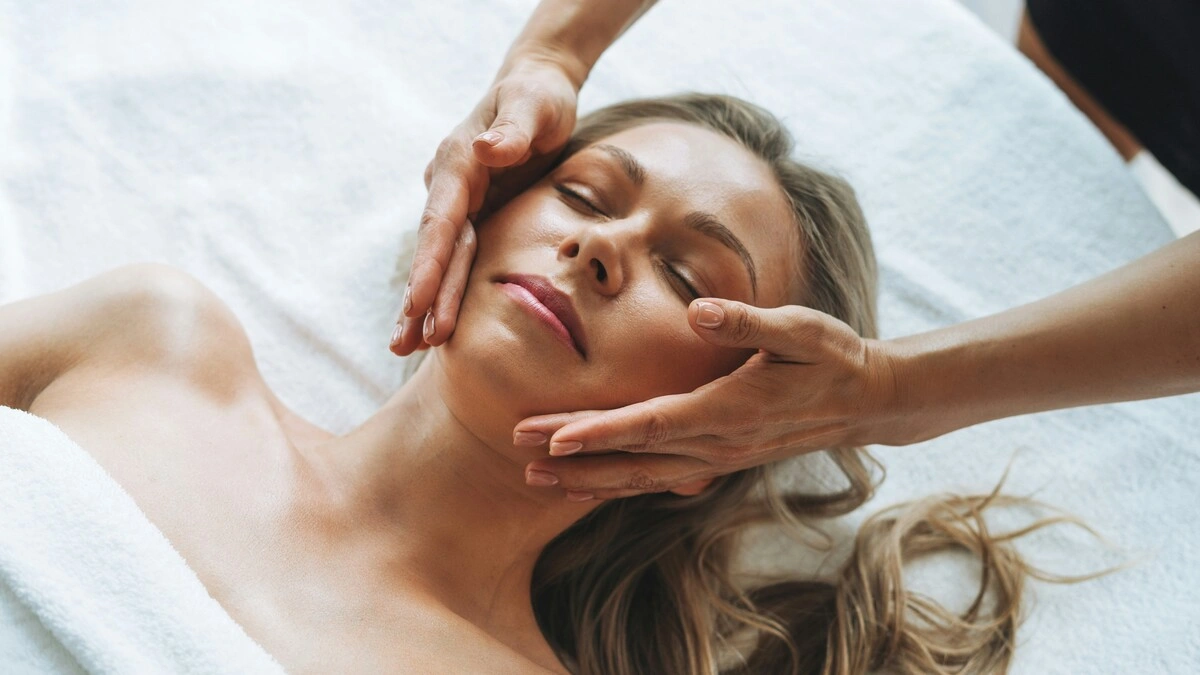
What is lymphatic drainage massage?
Lymphatic drainage massage is a light, rhythmic treatment that gently encourages the fluid in your lymphatic system to move, leaving you less puffy and feeling more refreshed. The pressure is feather-soft, nothing like a deep-tissue knead. Therapists often use it on the face for a bit of glow, or on the body to ease that heavy, bloated feeling.
Your lymphatic system is a network of vessels and nodes that helps clear waste and keep fluid balanced. Unlike your blood, it has no built-in pump, so it relies on movement to keep flowing. A lymphatic massage simply gives it a gentle nudge.
Cosmetic or clinical? The bit that trips people up
Here's where things get a little confusing: “lymphatic drainage” covers two quite different treatments, and they often get lumped together.
A lymphatic drainage massage that you'll book at a salon or spa (and the one this guide is about) is cosmetic. It's all about feeling lighter, de-puffed and glowy, and it's a treatment for exactly that. The clinical version, called manual lymphatic drainage or MLD, is a medical treatment for conditions like lymphoedema (chronic swelling) or to manage a damaged lymphatic system after cancer surgery. It follows a strict, prescribed routine, and certified specialists carry it out, usually in a medical setting.
So if your swelling comes from a health condition, or you're recovering from cancer treatment, that's the clinical route. You'll want a doctor or a certified lymphoedema therapist, not a salon. For everything else, the cosmetic treatment is a gorgeous way to feel refreshed, and that's the one we'll stick with from here.
What to expect from a session
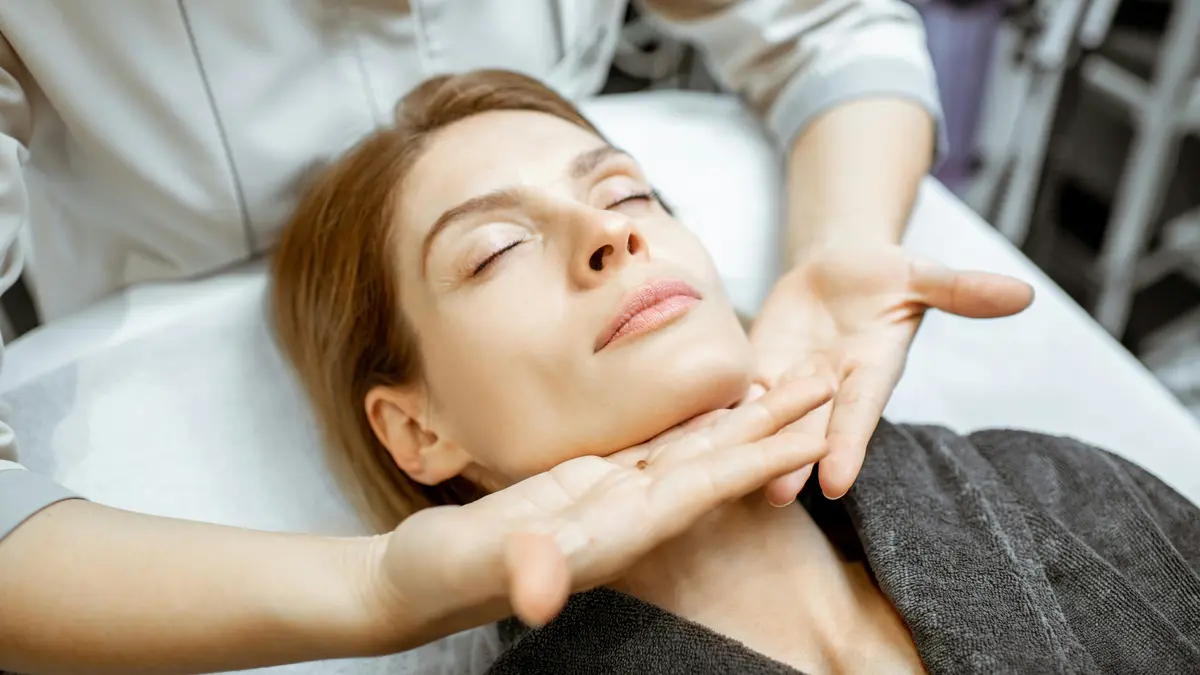
Expect featherlight, repetitive strokes and a deeply relaxing session, not the firm pressure of a sports massage. A typical appointment runs 30 to 60 minutes. It usually starts at the neck, where the main lymph nodes sit, then moves to wherever you're focusing, whether that's your face, tummy or legs.
Your therapist works in slow, directional movements, gently guiding fluid toward the nodes that drain it. Some pair their hands with light cups or a pressotherapy machine, which adds soft, rhythmic compression. You'll often notice little or no oil is used, since the technique is about delicately stretching the skin rather than gliding over it. The cosmetic version borrows its core principles from clinical practice, just with a feel-good focus rather than a medical one.
What it can do (and what it can't)
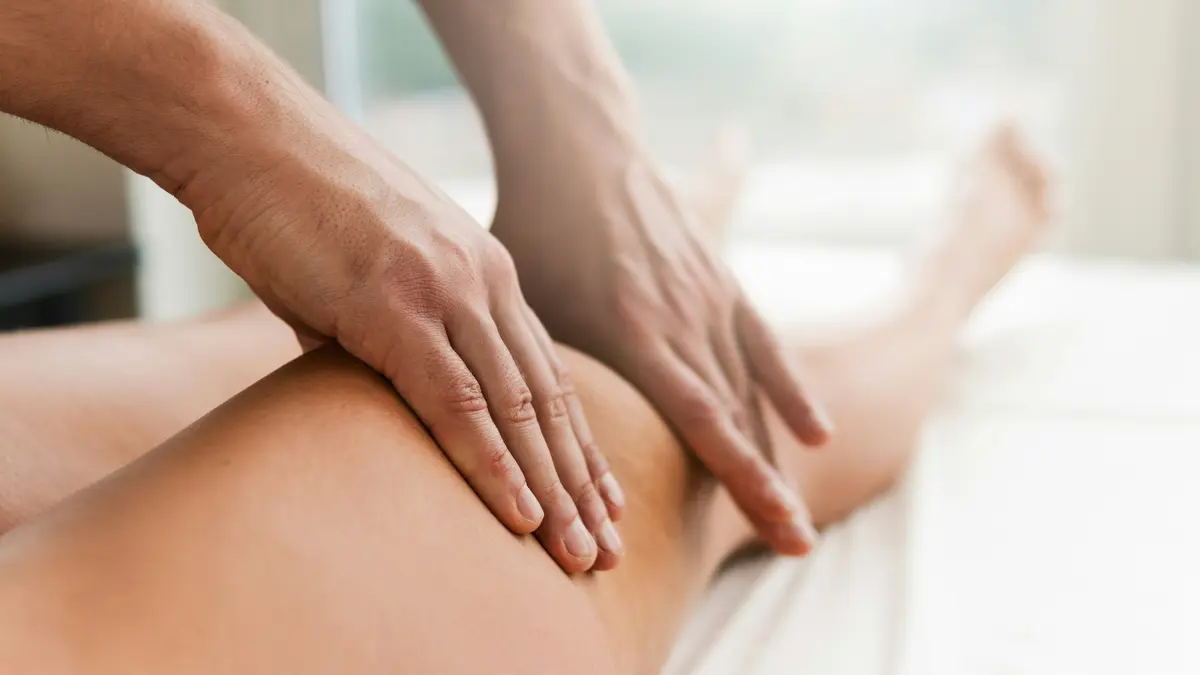
Let's be straight: as a cosmetic treatment, lymphatic drainage massage is about temporary, feel-good results, not medical miracles. Most people walk out feeling lighter, less bloated and noticeably de-puffed, with skin that looks a little brighter and more sculpted. It's a favourite before events, after long flights or whenever you're feeling sluggish and fancy a reset.
The catch? These results are lovely but short-lived, usually lasting a few days, which is why people rebook for a treat rather than a cure. And here's the distinction that matters: the strong, well-researched benefits you may have read about, like managing lymphoedema, belong to the clinical version, not the cosmetic one. For a healthy body, there's little solid evidence that lymphatic massage does much beyond that pleasant, refreshed feeling, so go in for the experience, not a guaranteed transformation.
What it won't do
Despite the bold claims floating around, lymphatic drainage massage won't help you lose weight, “detox” your body, or melt cellulite. It moves fluid, not fat, so any change on the scales is temporary water loss. Your liver and kidneys already handle detox perfectly well, no massage required. If anyone promises permanent inch loss or a detox cleanse, treat it as a red flag rather than a selling point.

Lymphatic drainage after cosmetic surgery
One of the most popular reasons people book a course of lymphatic drainage is to support recovery following cosmetic surgery. After procedures like liposuction or a tummy tuck, gentle lymphatic massage can ease swelling and bruising, making recovery more comfortable. That's why many cosmetic surgeons recommend it as part of aftercare.
The golden rule: only start once your surgeon gives you the green light, and follow their timing for your specific procedure. Most people have a course of sessions over a few weeks for the best results. One thing to flag, though, swelling after cancer surgery or lymph node removal is a different matter. That sits with the clinical version and should be managed by your oncology team and a certified lymphoedema therapist, never booked as a cosmetic treatment.
Is it safe?
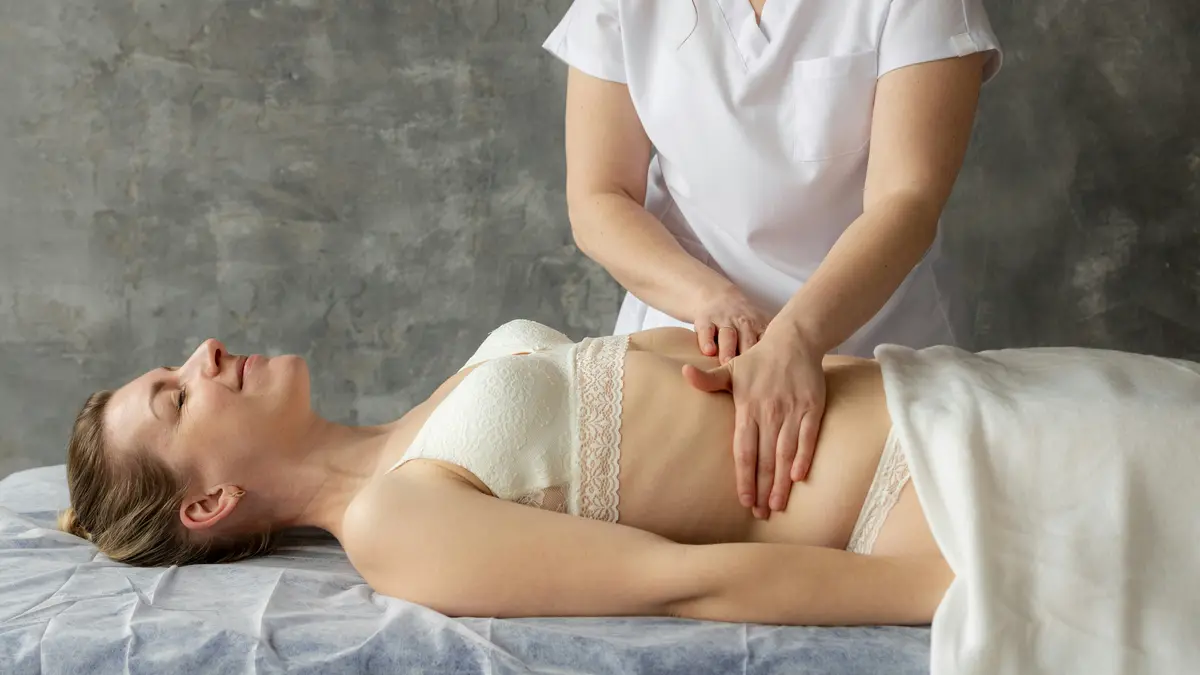
For most people, yes, very. It's one of the gentlest, lowest-risk treatments around. Many people feel so relaxed they could happily nod off on the table. The most common after-effects are mild and pass quickly: a little tiredness, mild thirst or needing the loo more often as fluid gets moving. Drinking plenty of water before and after helps.
When to avoid it
There are a few times to give it a miss. Lymphatic drainage isn't suitable if you have an active infection, a fever, blood clots, heart failure or kidney problems. Moving fluid around can strain systems that are already under pressure. If you're pregnant or managing a health condition, check with your doctor first. And if your swelling is unexplained or won't shift, that's a medical conversation, not a cosmetic one. A good therapist will always ask about your health history before starting, so be open with them.
How it differs from a regular massage
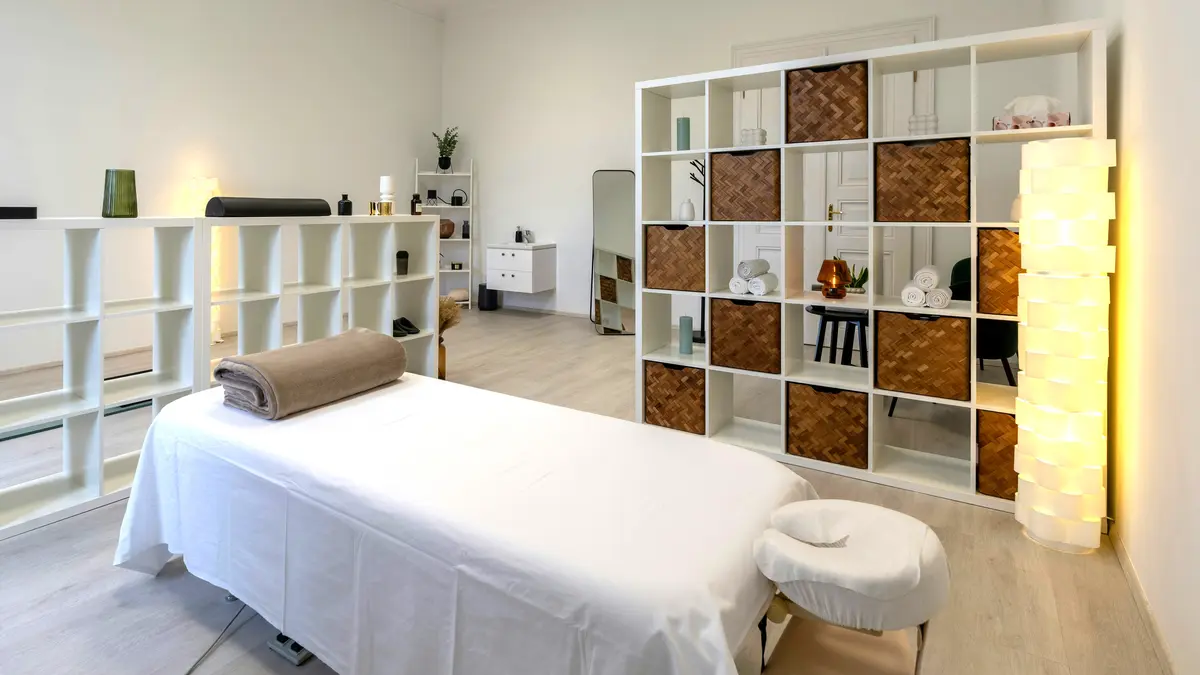
The simplest way to put it: a regular massage works your muscles with firmer pressure, while lymphatic drainage uses a barely-there touch to move fluid just beneath the skin. A deep-tissue massage can leave you wincing (in the good way), whereas this feels more like someone carefully tracing patterns over your skin. If your muscles are tight and achy, book a regular massage. If you're after that de-puffed, lighter feeling, lymphatic drainage is your match.
Can you do it at home?
Up to a point, yes. A therapist can show you a few simple moves to keep things ticking over between appointments, and a soft body brush can help with the upkeep. But home care can't replace the real thing. Direction and pressure are easy to get wrong, and done badly, self-massage can do more harm than good, especially if you have a health condition. Treat any at-home routine as maintenance between professional sessions, never a substitute for them. For results you can feel skilled hands win every time.
Finding a good therapist
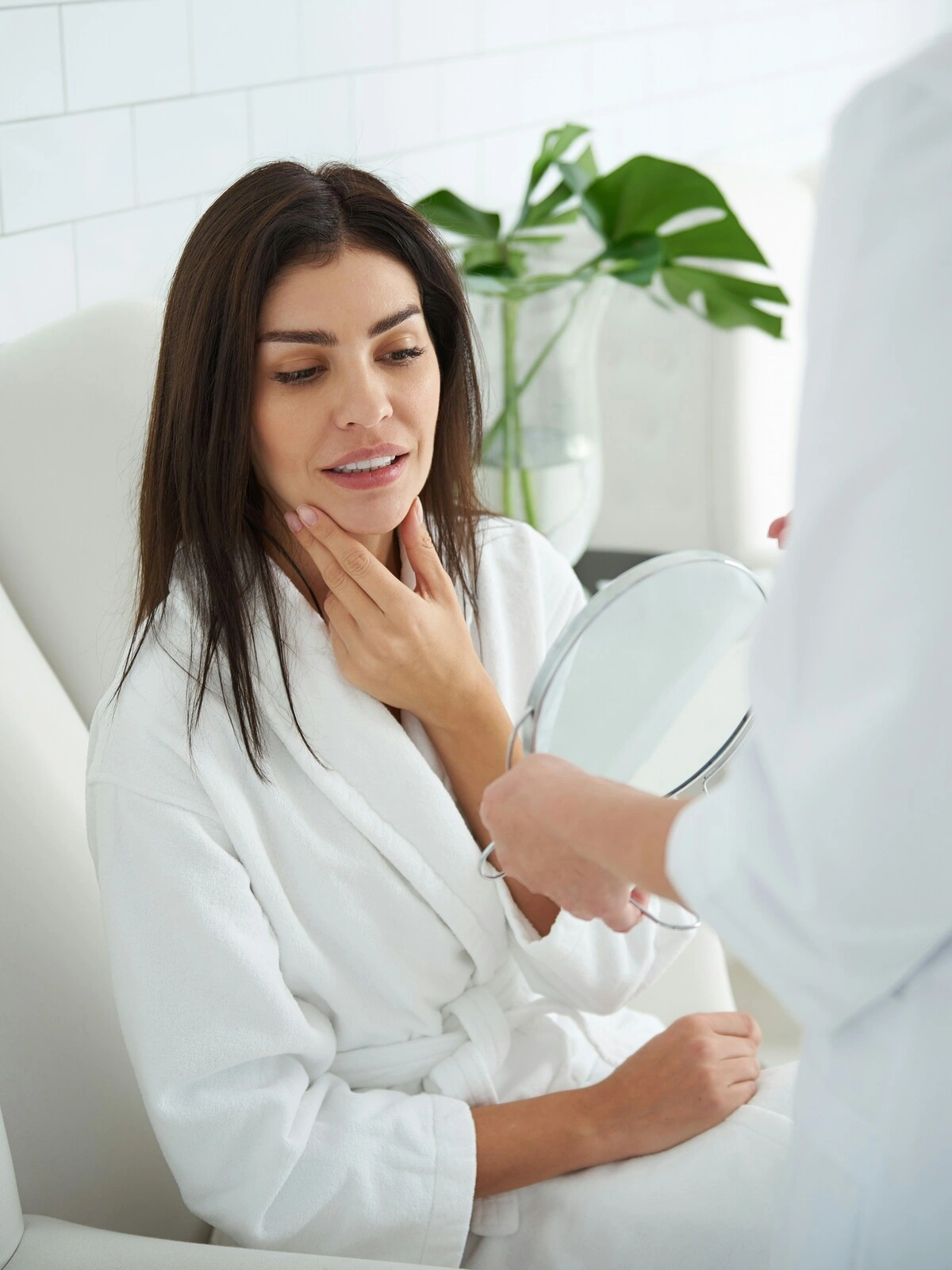
For a cosmetic treatment, look for a qualified beauty or massage therapist with specific training in lymphatic drainage and plenty of good reviews. Many will have a focus, whether that's facial work, body treatments, or post-cosmetic-surgery recovery, so pick someone whose specialism matches what you're after.
If your needs are medical, that's a different search: you'll want a certified lymphoedema therapist, and you'll usually find one through your doctor or a specialist clinic. Either way, a few quick questions go a long way. Ask about their training, their experience with your goal, and what to expect afterward. A good therapist will happily talk it all through in plain English.

So that's the real picture. Lymphatic drainage massage is a soothing, feel-good way to de-puff, glow and feel lighter. Whether you're prepping for a big day, bouncing back from a flight, or simply fancy a reset, the right therapist makes all the difference. Browse lymphatic drainage specialists near you on Treatwell, read real reviews, compare prices, and book for whenever works for you.
FAQs
What is lymphatic drainage massage?
A gentle, featherlight massage that helps move fluid so you feel less puffy and more refreshed. The salon version is cosmetic and all about that lighter, glowy feeling.
Does lymphatic drainage massage actually work?
For a temporary de-puff and a relaxed, refreshed feeling, yes. Just keep expectations realistic, because the results are short-lived and the cosmetic version isn't a medical treatment.
How long do the results last?
Usually a few days. It's a lovely pick-me-up before an event or after a flight, which is why many people rebook.
Is it safe?
Very. It's one of the gentlest treatments around, with only mild, short-lived after-effects like tiredness or extra trips to the loo. Skip it if you're unwell or have certain conditions, and check with your doctor if you're unsure.
Can I do lymphatic drainage massage at home?
With proper guidance, light self-massage can help between appointments. But it's maintenance only, not a replacement for a trained therapist, and never a fix for medical swelling.
Does lymphatic drainage massage help with weight loss?
No. It shifts water, not fat, so any change is temporary fluid loss rather than real weight loss.
Is it the same as medical lymphatic drainage?
No. The clinical version (manual lymphatic drainage, or MLD) treats conditions like lymphoedema and is done by certified specialists. The salon version is cosmetic and focused on feeling refreshed.
How much does lymphatic drainage massage cost?
Prices vary by location and therapist, but you'll typically find sessions from around €40 for a shorter treatment, with a full hour often €65 to €100.