
Picture this: you’re lying down in a warm treatment room with low lights and aromatic scents. For the next hour, they cleanse, massage and steam your scalp while you drift somewhere between awake and asleep. That’s a Japanese head spa, and once you’ve had one, the ten-minute salon wash never quite cuts it again.
If you’ve never heard of it (or you’ve spotted the mesmerising videos on social and wondered what all the fuss is about), here’s the short version. A head spa combines deep cleansing, exfoliation, massage, aromatherapy, and steam to look after your scalp, neck and shoulders. This guide walks you through where it comes from, what it actually does, what happens in the chair, and how to find a good one near you.

What is a Japanese head spa?
A Japanese head spa is a scalp treatment that rolls deep cleansing, exfoliation, massage, and aromatic therapies into one blissful session. Unlike your standard salon wash, it targets scalp buildup and tension with specialist technique and tools. After just one session you’ll have a clearer scalp, softer hair and (the bit people get hooked on) a nervous system that feels like it’s had a holiday.
The philosophy behind it
At its heart, the head spa is built on “omotenashi”, the Japanese idea of gracious hospitality. The whole approach leans into prevention and holistic health, blending traditional care with modern hair science. In practice, that means you’re treated as a guest, not a transaction. Your therapist anticipates what you need before you say it, from nudging the room temperature to knowing exactly when to lean into a pressure point.
How it differs from a regular scalp treatment
The big difference is depth and time. A head spa lasts for 60 to 90 minutes (far longer than a quick massage) and your therapist uses custom products and specialised techniques across your scalp, neck and shoulders. Think of it as a facial for your scalp. A regular wash takes ten minutes. A proper head spa folds in microscopic analysis, targeted pressure points, and layered treatments that add up to something seriously transformative.
The history and origins of Japanese head spa
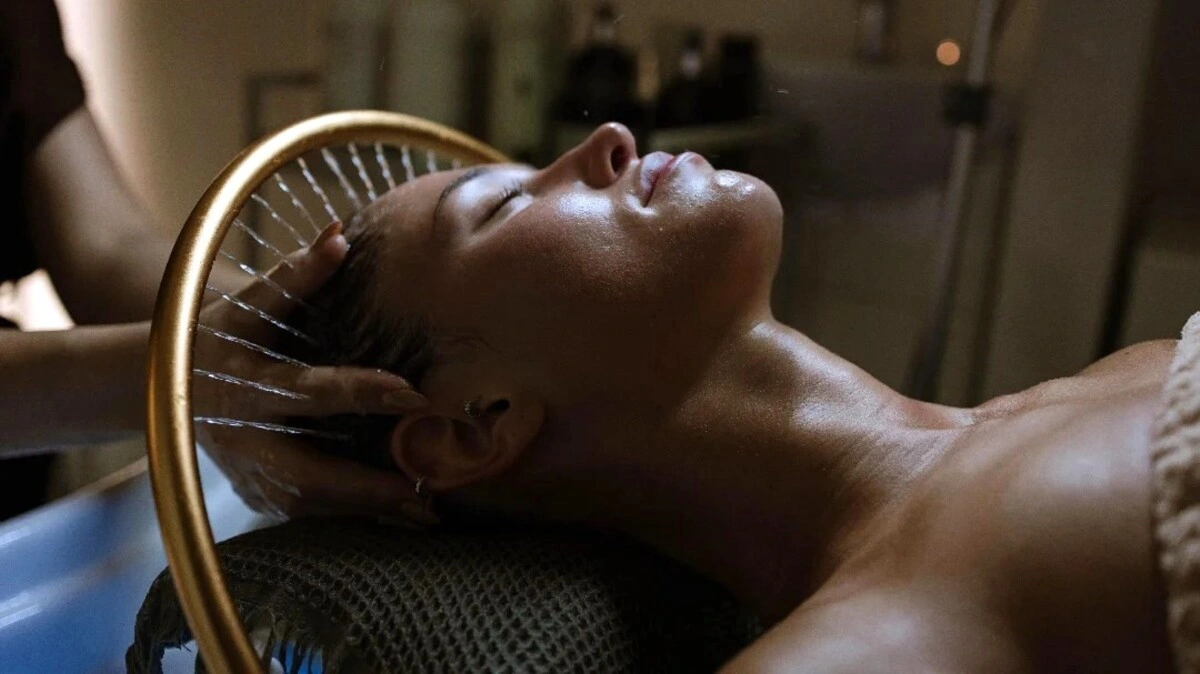
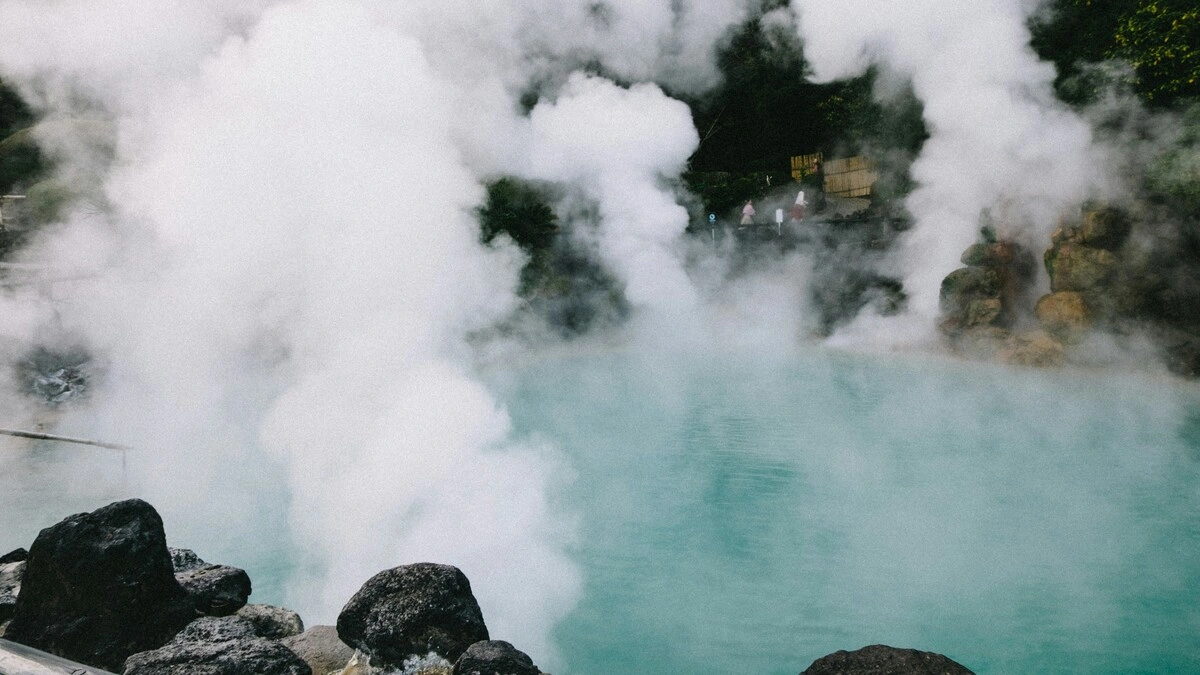
Japanese head spas grew out of traditional bathing rituals like onsen (hot springs) and sento (bathhouses), where cleansing and relaxation were woven into everyday life. Salons modernised those rituals, adding technology and professional scalp analysis. The shift from communal baths to private salon treatments happened gradually throughout the 1980s and 90s. Tokyo salons led the way, experimenting with dedicated scalp-care rooms.
Traditional Japanese roots
Gentle scalp massages were part of the ritual at traditional Japanese bathing sites, and these practices later merged into salon services. The original bath attendants understood something science is only now catching up on: scalp tension mirrors mental stress, and releasing one tends to release the other.
The global spread
Head spas went global as travelling professionals brought them along for the ride. Social media and a handful of celebrity fans did the rest, turning them into a sought-after treat in big cities. The treatment really took off in New York and London around 2018. That’s when influencers started posting close-up scalp-analysis videos (equal parts satisfying and slightly horrifying).
What does a Japanese head spa treatment include?
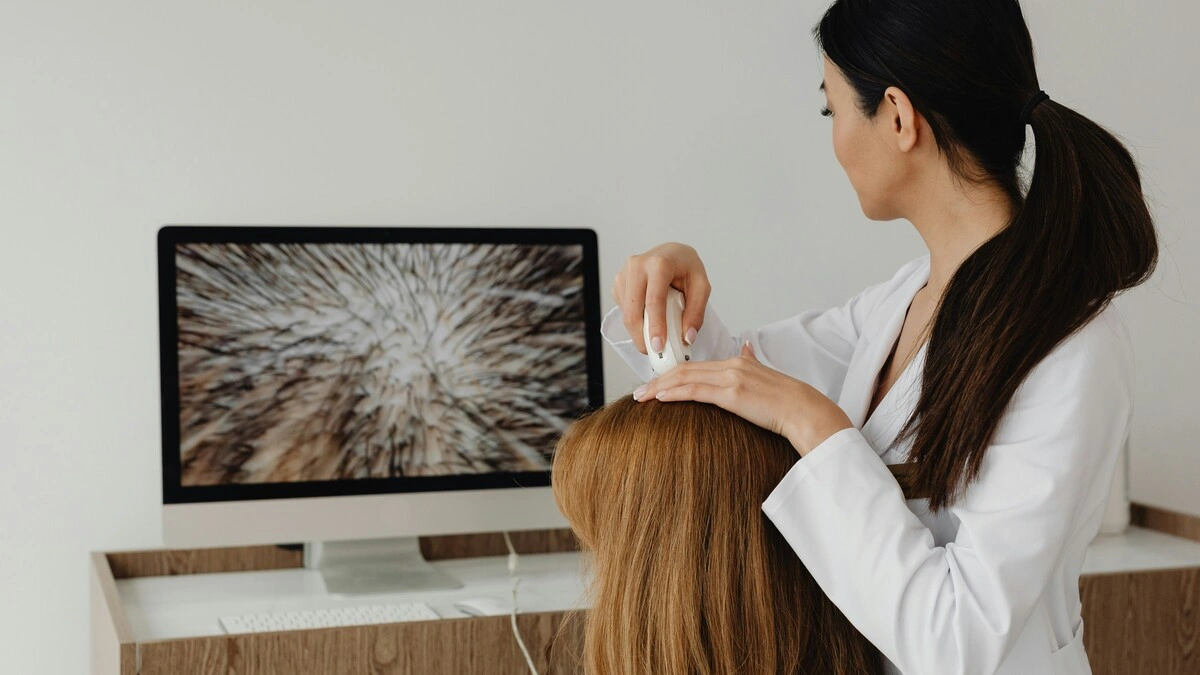
Most sessions kick off with a scalp analysis, usually using a high-resolution camera to spot dryness, oiliness or buildup. The post-session check is where it gets fun. Seeing your before-and-after scalp footage is oddly compelling, a bit like watching someone deep-clean a carpet you didn’t realise was filthy.
Scalp analysis and consultation
First, your therapist examines your scalp for things like clogged follicles or flakes, talks through your goals and picks products to match. A good one will ask about your stress levels, sleep and any recent product changes. All of these affect your scalp, but they rarely come up at a standard appointment.
Deep cleansing and exfoliation
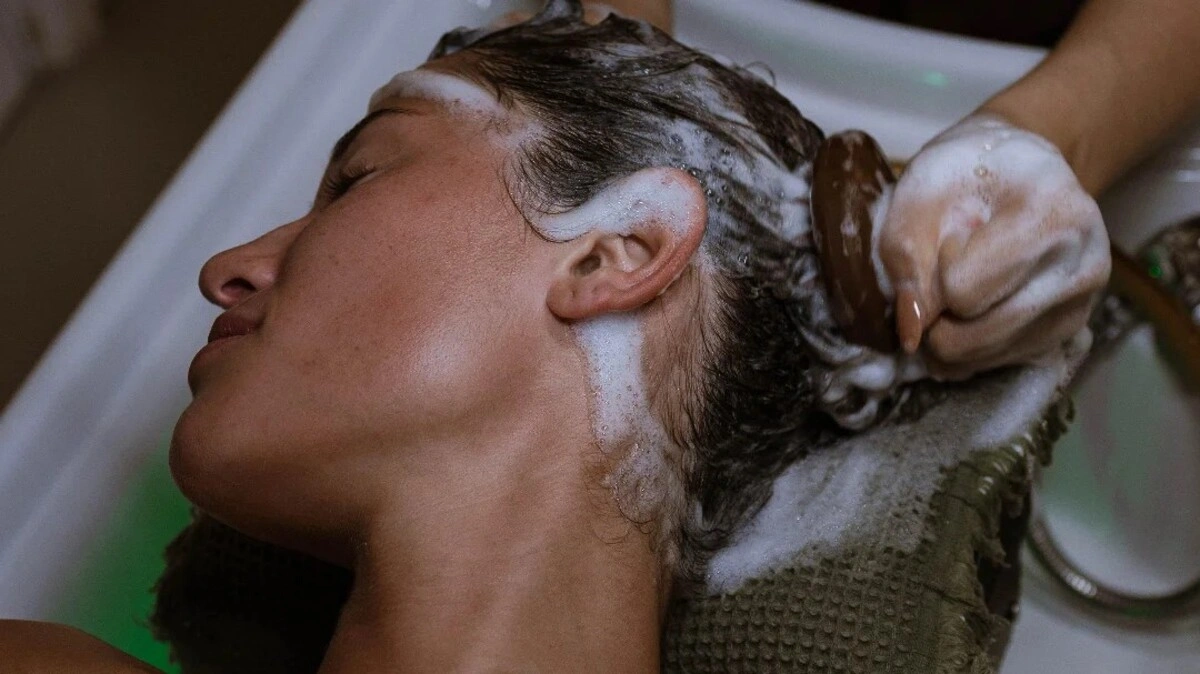
Next come specialised cleansers and gentle scrubbing to lift away dead skin, excess oil and product residue. This preps your scalp to drink in the treatments that follow. The exfoliation feels slightly gritty but never harsh, like a very considerate sugar scrub that knows exactly when to stop.
Massage techniques and pressure points
This is the part most people melt into. Therapists use shiatsu-inspired pressure-point work and lymphatic drainage to ease tension, boost circulation and switch you into full relaxation mode.
Most people describe the feeling as somewhere between floating and melting, which is why regulars call it “life-changing” rather than just “nice”. The neck and shoulder work tackles the tightness that feeds into headaches and jaw clenching. It’s the kind many of us carry around without realising, until someone presses the right spot.
Steam, masks and finishing treatments
To finish, warm steam opens the pores so products absorb better, followed by a conditioning mask, then a gentle blow-dry. The steam phase feels surprisingly luxurious, like a facial steamer for your whole head. It’s often infused with botanical scents that smell real, not that synthetic “spa” whiff.
Benefits of Japanese head spa
The headline benefits are deep relaxation, stress relief and healthier-looking scalp and hair. Regular sessions may leave hair shinier, softer and easier to manage, and can help ease tension headaches. Switching on your parasympathetic nervous system can also nudge you towards better sleep and lower stress.
Don’t underestimate the calm-down side of things. Targeted massage on scalp and neck pressure points settles the nervous system and can leave you in a lighter, less frazzled headspace that lingers for days. If your brain runs at a hundred miles an hour, or sleep doesn’t come easily, a head spa can hit a mental reset button. No meditation app quite manages it.
Scalp health benefits
For your scalp, deep cleansing helps keep oil production balanced and eases dandruff or dryness. Pair head spa sessions with good home care and you’ll feel the improvements in your scalp over time. If you deal with seborrhoeic dermatitis or persistent flaking, regular treatments often stretch out the gap between flare-ups, though they’re not a medical cure.
Hair health and appearance benefits
For your hair, better blood flow to the follicles can mean shinier, more resilient strands. It won’t cure hair loss, but a healthier scalp environment supports the growth you’ve got. Your hair tends to feel lighter and move differently afterwards, like that swishy bounce you usually only get right after a brilliant cut.
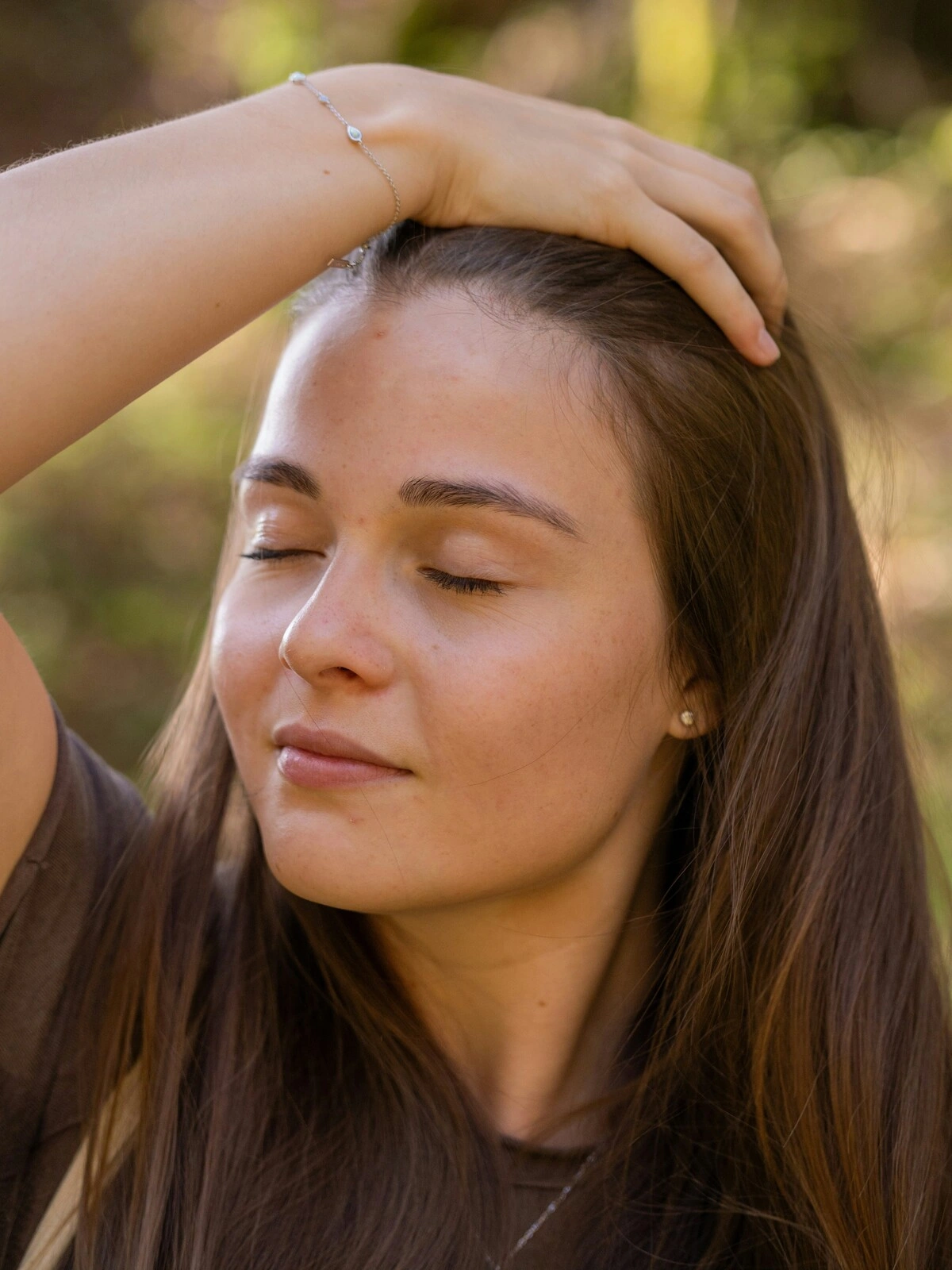
Whether you want a deep technical clean or simply an hour to switch off, there’s a Japanese head spa treatment for you. Browse the spas near you, read what other people say, and see what catches your eye.
Japanese head spa for hair growth: what the science says
Here’s the realistic picture: scalp massage has been linked to small increases in hair thickness and better scalp condition, mostly because improved circulation helps deliver nutrients. The effects are gradual and vary from person to person. The strongest research suggests consistent scalp massage, daily over months, can increase hair diameter by small but measurable amounts.
The science of scalp massage and hair growth
Regular scalp massage may boost hair thickness and volume by improving circulation, but dramatic regrowth is unlikely for most people. A healthier scalp simply supports whatever growth you’re already working with. If your hair loss comes down to hormones, genetics or an autoimmune condition, a head spa will make your scalp feel wonderful but won’t reverse the root cause.
When to see a dermatologist instead
If you’re dealing with rapid hair loss, bald patches or severe scalp problems, see a dermatologist rather than booking a spa. These conditions usually need targeted medical treatment beyond what a head spa can offer. Head spas shine at maintenance and prevention, not medical intervention.
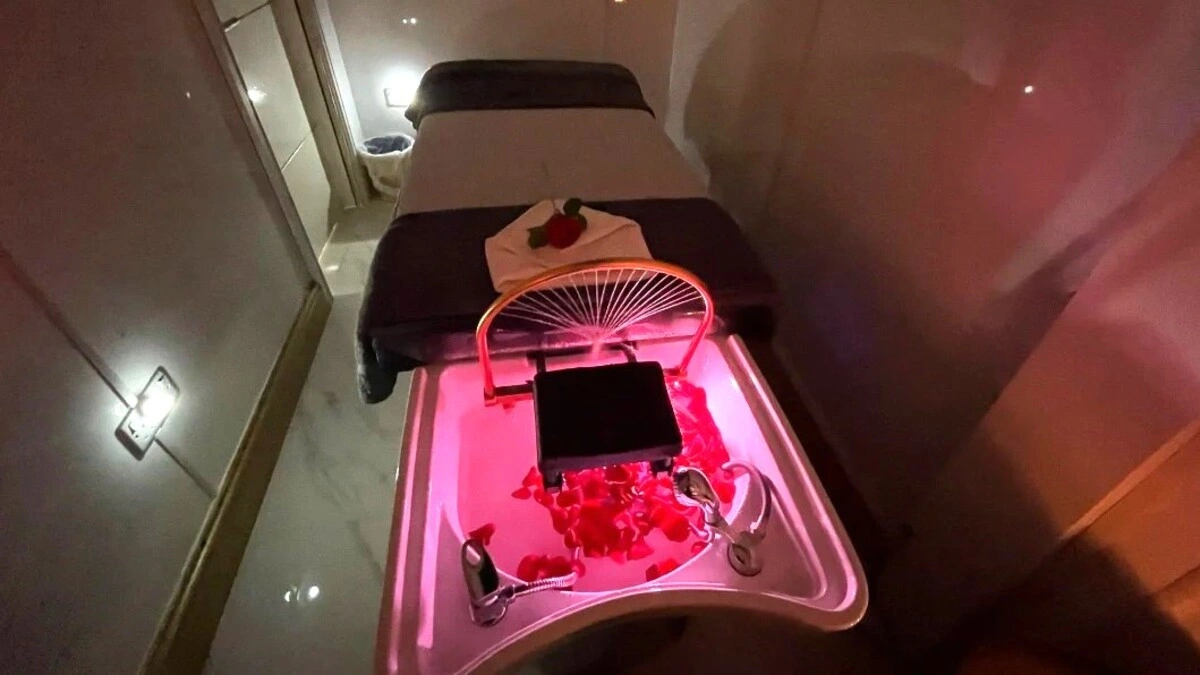
What to expect during your first Japanese head spa session
Turn up with relatively clean hair so the scalp analysis is accurate. Know that hair extensions or recent colour might affect the treatment, and if you’re pregnant, get medical clearance before any intensive steam or pressure. First-timers are often caught off guard by how exposing the scalp analysis feels. Seeing your own follicles magnified 200 times is an oddly intimate moment (we did warn you).
Before your appointment
A little prep goes a long way. Before you go:
- Jot down any scalp concerns you want to raise
- Ask about your therapist’s training and qualifications
- Flag any hair or scalp conditions that might affect the treatment
- If you’re prone to migraines, say so. Some pressure points can trigger headaches in sensitive people, and a good therapist will adjust accordingly
During the treatment
Settle into a calm, low-lit room and let yourself switch off. Speak up about pressure, because your therapist wants you comfortable, so don’t be shy if something feels too intense or too light. The neck and shoulder massage rounds out the relaxation and releases connected tension you might not even know you’re holding.
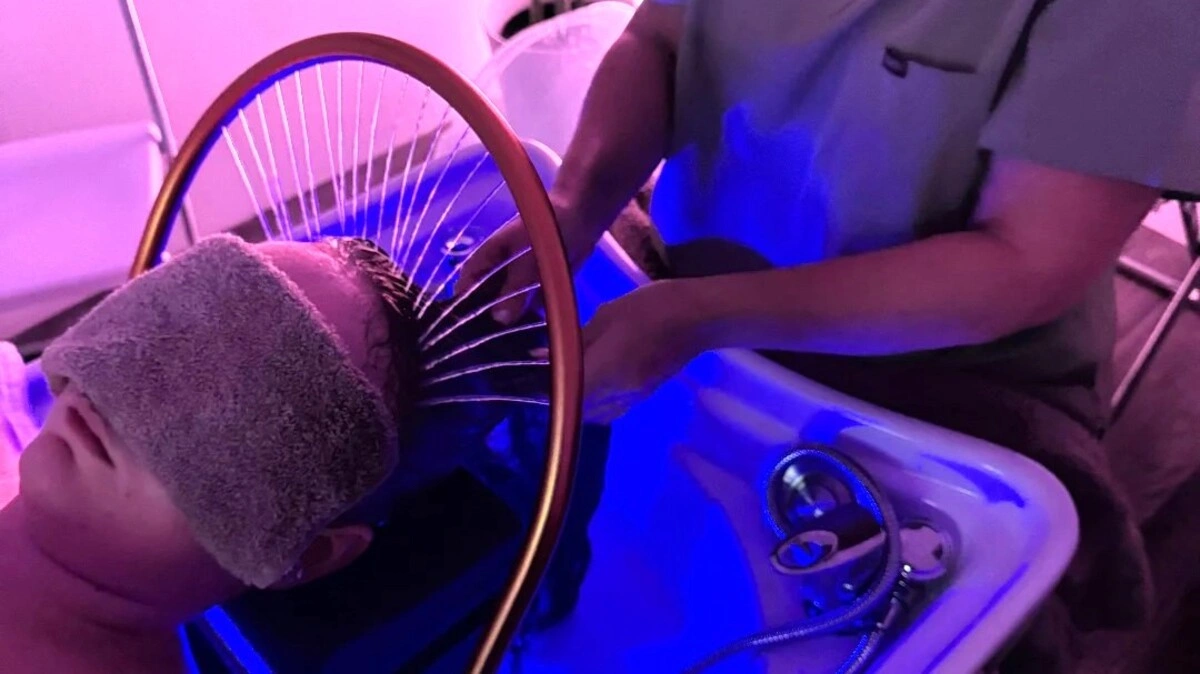
After your treatment
Expect your scalp and hair to feel refreshed and light for a week or more, especially with good home care. Monthly sessions are common, but how often you go is down to your scalp and your budget. Some people sleep better the night after a treatment, likely thanks to that parasympathetic switch-flip during the massage.
How long does a Japanese head spa treatment last?
A session runs anywhere from 30 minutes for an express version to 60 to 90 minutes for the full works. Longer treatments tend to include enhanced analysis and extra massage. Express ones are handy for maintenance between full sessions. For your first visit, book a proper long appointment so your therapist can get to know your scalp.
Here’s a quick guide to the options:
- Express: 30 to 45 minutes, with a quick cleanse and massage
- Standard: 60 to 90 minutes, the full treatment
- Luxury: 90 minutes plus, with extra masks, extended relaxation, and sometimes a foot massage or aromatherapy that turns it into a proper wellness ritual
Where to get a Japanese head spa: finding quality treatments
You’ll find a Japanese head spa treatment in specialist salons, upmarket hair studios and wellness spas. Look for trained technicians, reputable products and a thorough scalp analysis. Online reviews help you spot the top-rated places in your city. Pay attention to ones that name specific therapists, since skill levels can vary a fair bit within the same salon.
Types of locations offering it
Hair salons with advanced scalp-analysis tools tend to focus on the technical side and product absorption. Day spas and hotel wellness centres usually lean into the relaxation, sometimes at the expense of deep scalp work. Some salons now run packages designed for men, children, or particular hair types like curly or chemically treated hair.
How to evaluate quality
Good signs are easy to spot: high-quality products (often Japanese), trained and certified staff and a spotless environment. The best spas do in-depth consultations and use clean tools throughout. A few red flags to watch for:
- Rushed consultations that skip the scalp analysis
- Generic products in unmarked bottles
- Therapists who seem unsure about pressure points or technique names
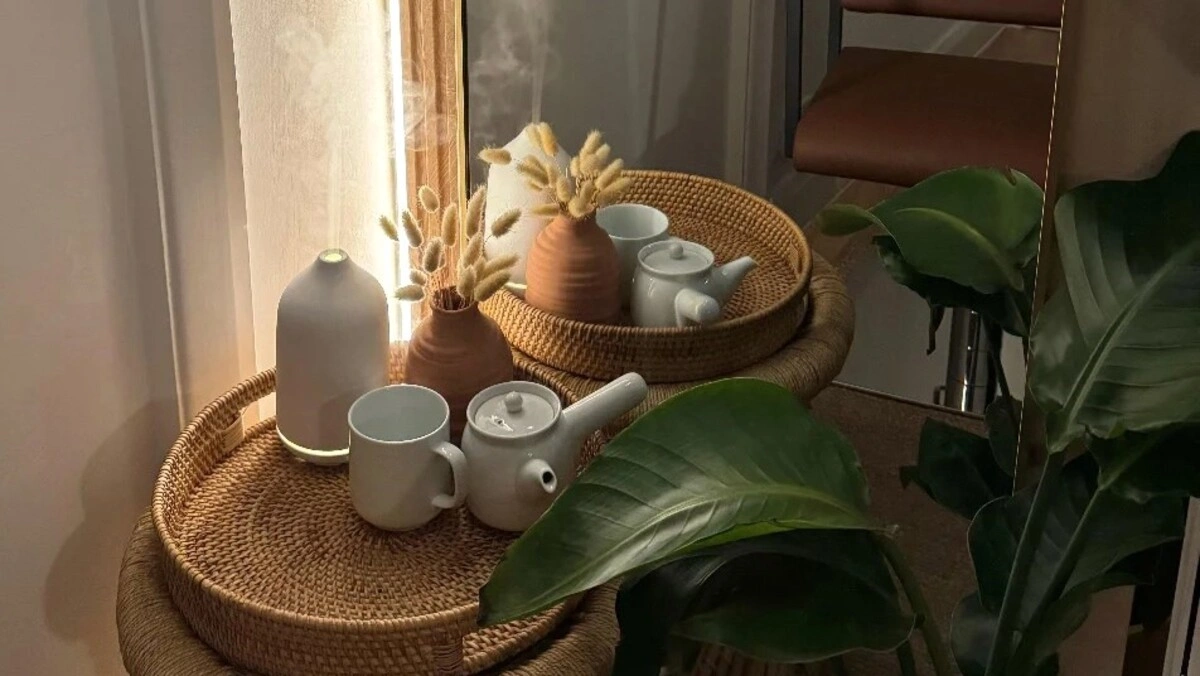
Japanese head spa cost: what to budget for your treatment
Prices shift depending on city, salon and session length. Roughly speaking, big cities charge €70 to €150 a session, while smaller places land around €40 to €110. The price usually relates to the length of treatment and quality of products rather than the results, so a €120 session isn’t automatically twice as good as a €60 one.
Check for package deals, memberships and first-timer offers to bring the session cost down. International prices vary, but they’re broadly comparable in high-demand spots like New York, Sydney or Singapore.
Getting the best value
A few easy ways to make your money go further:
- Look out for loyalty programmes, multi-session discounts and free scalp analyses
- Prioritise comprehensive sessions over piling on expensive add-ons
- Book off-peak (weekday mornings or early afternoons) for the occasional discount, and ask about reduced first-visit rates
Can you recreate a Japanese head spa at home?
Up to a point, but not really. A home routine can support your scalp between appointments, but the steam, the professional analysis, and the trained technique are hard to replicate. The realistic maths: an at-home version gets you maybe 40% of the professional experience. You can’t see your own scalp properly, you can’t apply steady pressure to your own pressure points, and you can’t fully switch off when you’re the one doing the work. That last part is rather the whole point, which is why the real thing is worth booking.
Looking after your scalp between visits
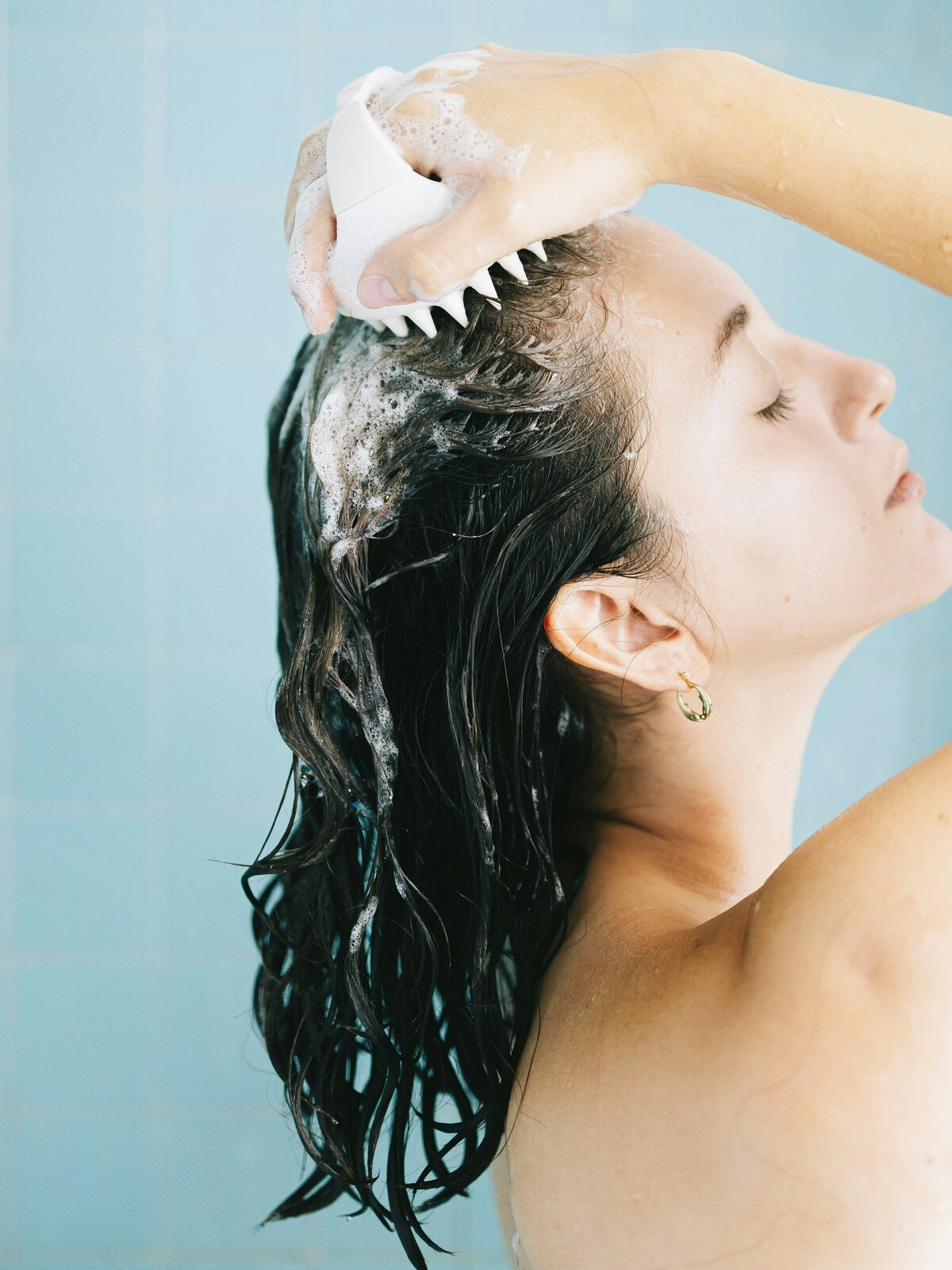
In between professional sessions, a few simple habits keep your scalp happy. A deep-cleansing scalp product now and then clears buildup that everyday shampoo leaves behind. A gentle exfoliating treatment helps if your scalp runs dry or oily. And a handheld scalp massager (the soft silicone-bristle kind) feels lovely and gets the blood moving, even if it can’t replace trained hands. Keep it gentle, keep it occasional and let the salon handle the deep work.
When you’re ready for the version with the steam, the analysis, and someone else doing all the work, it’s only a few taps away.
Now you know what a Japanese head spa actually is, what it does for your scalp and your stress levels, and how to spot a good one. The best bit? Booking it is the easy part. Browse head spas near you on Treatwell, read real reviews, and compare prices. Then pick a time that suits, whether that’s a lazy weekend or a Tuesday lunch break that quietly resets your whole week.
FAQs
It’s a luxe scalp treatment mixing deep cleansing, massage, steam and aromatherapy, basically a facial for your head that leaves you beautifully relaxed.
Budget €70 to €150 in big cities and €40 to €110 elsewhere. First-timer deals and packages can bring costs down.
It creates healthier conditions for growth through better circulation, but won’t cure genetic hair loss. Think supportive environment rather than miracle cure.
Monthly is a good cadence, though you can adjust based on your scalp’s needs and your budget. Quarterly visits still offer benefits.
You can maintain results between professional sessions with good products and massage tools, but you’ll miss the analysis, proper steam, and that borderline-transcendent relaxation of having someone else do the work.
Yes, the deep cleansing and hydration help considerably. For severe or persistent issues, though, see a dermatologist, as you might need medical treatment.